
What Is A Condition Report & Why Do Properties Need One?

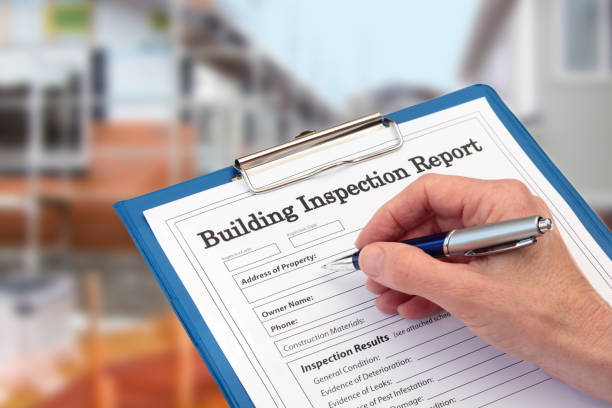
Commercial properties have always remained the hot sellers in the real estate industry. So much so that despite all market downturns, the number of commercial buildings has increased by over 6% since 2012.
Statistics apart, the never-ending demand for office and retail spaces, warehouses, etc., among both buyers and tenants, speaks to this fact.
However, while prospective owners and renters are clear about the kind of building they need, there’s one question that always exists. And that is, ‘What is a property condition report, and why do I need one?’
You see, a condition assessment report is an important document that highlights the existing state of the building and provides you with complete clarity before you commit to a deal.
Not to mention this document also comes in handy for sellers and lessors and helps them secure a better agreement.
Now, if you’re wondering what’s more to these reports and how you can benefit from them, I’ve compiled everything about condition reports in the blog. Also, I’ve included my expert tips that you can use to make the most out of these reports.
So, jump right in and learn more.
What is a condition report?
Condition reports are documents that detail the findings of a commercial real-estate inspection. This includes details of the building’s physical condition, such as visible defects and damages, maintenance and repair needs, etc.
Also, the report can provide you insights about upcoming expenses on building upkeep and your potential financial liabilities in the future.
Now, these reports are created after the commercial building inspection or property condition assessment is complete. So, before we get into the nitty gritty of condition reports, let’s first understand condition assessments.
What is a property condition assessment (PCA)?
A property condition assessment or PCA is the formal term for commercial property inspection, which examines the vital systems and components of a commercial building. These inspections are carried out by licensed inspectors as per ASTM E2018 standards and include a walk-through assessment of your property.
For instance, a typical property condition assessment will examine your building’s structure, walls and roofs, electrical and plumbing systems, HVACs, etc., to name a few.
What is a property condition report (PCR)?
As we discussed earlier, property condition reports, or PCRs, are released after the completion of condition assessments and include the findings of the inspection.
For instance, if a building has defects such as structural faults, broken plumbing, electrical failures, etc., these reports will highlight them. Similarly, a PCR will also specify looming problems and the potential damages they can cause in the future.
In short, a thorough report allows you to undertake preventive measures and carry out essential repairs in time.
Why is a real estate condition report so important?
Condition reports are considered the gold standard for evaluating a commercial building’s existing state. And for good reasons, since it details every aspect of the property’s major components.
In fact, whether you’re an owner, buyer, or tenant, these reports serve as a credible document to understand the property’s condition before you plan on the next steps.
For instance, condition reports are usually required while leasing out a property. Herein, the report will list the condition of everything from walls to doors to windows to electrical appliances and more.
Now, by signing on this report, both owner and tenant acknowledge the present state of the property. Also, they agree to their individual liabilities regarding required maintenance and upkeep.
Similarly, if you’re buying a property, a condition assessment report will let you know if the property is worth investing in. For instance, if a building has pending repairs, you’ll know when and how much you might have to spend on them down the road.
Furthermore, these reports serve as an important guide in general for building owners and managers to maintain the property.
Wondering how much it costs to obtain a property condition assessment report?
You can go through our blog – Commercial Building Inspection Cost.
When is a condition assessment report required?
A property condition assessment report is, without doubt, the single most important document for any commercial structure. As such, it is required every time you need to know the condition of a building or any of its components.
For instance, you’ll require an assessment report to prepare a maintenance checklist and schedule building maintenance.
In all, there are three situations when these reports are crucial, namely, sale, lease, and periodic maintenance of a building. So, let’s have a closer look and see why you’ll need them in these scenarios.
#1. While buying or selling a property
A building inspection and a condition assessment report thereafter are prerequisites during the sale of any commercial property.
In fact, a majority of real-estate buyers even include a due diligence clause in their purchase agreement. This allows them to get a third-party report before they buy the property.
So, you might be curious why a property conditions report is so crucial during the sale process.
You see, as a buyer or seller, this report will provide you with complete clarity regarding the property’s present condition. And this ensures you can engage in reasonable negotiations and arrive at a fair deal.
Not to mention, depending on the report’s findings, you can also decide if you want to buy the property or not.
Sounds interesting, doesn’t it?
Here are some benefits of condition reports for both buyers and sellers:
Benefits of condition reports for buyers
If you’re a buyer, a condition assessment report can put you in an advantageous position.
How, you might wonder?
As we just discussed, the due diligence clause allows you to get a third-party assessment report before you finalize the deal and make the payment.
For starters, this allows you to determine the worth of the property based on its existing condition. You see, notwithstanding the amount quoted to you, the actual worth of a property can be way lower.
Furthermore, the report will let you know where the problem areas are and how big a liability they can become in the future.
Finally, condition reports protect your investment by allowing you to have fair price negotiations with the seller or even walk out of the deal.
Benefits of condition reports for sellers
Many property owners who are looking to sell believe an assessment report can hurt their deal or sale prospects.
But is it true?
Well, if you’ve kept your building in good shape, a conditions report can actually be beneficial for you. That’s because a clear documentation of optimal systems and components will put the valuation of your building much higher.
Also, the fact that these reports are neutral means potential buyers can’t make challenging claims regarding the property’s value.
Meaning not only can you quote a higher price for your property but also have an upper hand in sale negotiations.
#2. While leasing a property
Apart from sales, building condition reports are also essential during the lease process. That’s because these reports provide a clear picture of the property to both the owner and tenant.
For instance, whether you’re a lessor or a lessee, a conditions report can be the basis for agreeing on the present condition of the property before finalizing the lease agreement. Also, when it comes to property maintenance, it’ll let you know about your liabilities.
As a result, you can avoid potential conflicts during or after the lease period.
In case you’re wondering about the benefits of condition assessment while leasing, here are some:
Benefits of condition reports for tenants
For tenants, a conditions report is an important safeguard before entering a lease agreement.
How?
You see, a property can have plenty of defects and pending repairs when you’re renting it. In fact, there’s a good chance that these issues will become larger and expensive problems in the future.
Now, a condition assessment report will highlight these problems to both you and the owner. Also, it will ensure the owner assumes responsibility for the existing problems and that the owner can’t hold you liable for them.
Simply put, you can steer clear of unwarranted liabilities towards the leased property.
Benefits of condition reports for owners
Like tenants, condition reports are also beneficial for property owners. And that’s for an obvious reason, i.e., you should not be liable beyond your maintenance liabilities.
The idea is simple: While you’ll assume your responsibilities towards existing defects and undertake required repairs, any further wear and tear during the lease period will be the tenant’s liability.
In a nutshell, it’s a win-win for both the tenant and the owner, who know their individual liabilities.
#3. During regular intervals
Even if you’re not looking to sell or lease your property, you still need a property condition assessment report. That’s because, as a building owner or manager, it is your responsibility to keep the property in an optimal condition.
So, by getting a property condition assessment and a subsequent report at regular intervals, you can determine what needs to be maintained, repaired, or replaced.
For instance, I always suggest building owners obtain a condition report every 3-5 years as it ensures your property is well maintained at a minimal cost.
Property condition report: Frequently asked questions
Who prepares a property condition assessment report?
A condition assessment report is prepared by a licensed commercial building inspector who also conducts the property assessment.
For instance, if you own a building in Florida, only licensed Florida commercial inspectors can carry out the assessment and prepare conditions report for you. And it can be anyone from a general contractor to an engineer to an architect.
What do condition reports include?
A building condition report provides you with information about the existing condition of the following components of your building:
- Heating, cooling, and ventilation systems
- Plumbing
- Electrical and mechanical components
- Roofing
- Doors and windows
- Exterior elements
- Parking lots and sidewalks
- Wood decks and balconies
- Basement
- Foundation
- Crawlspace
- Life-safety components like fire safety equipment
How long does the report preparation take?
Building inspectors usually take between 2 and 3 working days after completing the property assessment to prepare condition reports.
Conclusion
When it comes to keeping your commercial property in optimal condition, a condition report is the most important document.
Property maintenance apart, condition reports are crucial for property buyers and sellers during the sale. Not to mention, these reports are also the basis of lease agreements among owners and tenants.
As such, I can’t overstate the importance of obtaining a condition report.
Looking to get a property condition assessment and obtain a report?
You can get in touch with us!
At FCBI, we’re seasoned commercial property inspectors with over two decades of experience and renowned certifications of excellence. So, whatever your assessment and report requirements are, we’ve got your back.

fcbi
Related Posts

Facility Condition Assessment Checklist: A Complete Guide
Your buildings are the heart of your operations, and over time, these buildings and their systems age, requiring assessment, maintenance, and renewal. The average age of U.S. buildings is already clocking in at 53 years. So, keeping them in great condition is one of the major tasks of owners and facility managers. And to do […]
Read More
How Much Does A Commercial Building Inspection Cost?
Being an owner yourself, you must know that commercial properties are currently among the most profitable business assets globally. But did you know that the estimated worth of the worldwide commercial real estate industry surpassed $35 trillion in 2022, showing an increase of around one trillion US dollars compared to the 2021 estimate of about […]
Read More